
Step By Step
Published by Lord Wandsworth College on Friday 14th of November 2025
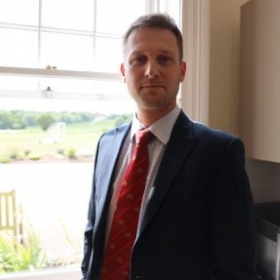
As concerns mount around men’s mental health globally, Houseparent at LWC’s Sutton House, Louis Yates is setting out to role model healthy masculinity, one step at a time.
Never underestimate the power of a walk.
This International Men’s Day, I’m encouraging as many of our young men and male members of staff at LWC to join me for a stroll.
The Men’s Mental Health Mile aims to take some small and meaningful steps towards supporting one another and talking openly about how we’re really doing.
No grand speeches, no awkward structure — just a genuine conversation about how life is going, what’s been good and what’s been tough.
Encouraging men to talk openly about mental health serves two essential purposes. It gives young men a real-life model of strength through vulnerability and it helps tackle the ongoing mental health crisis facing men today.
Men account for around three-quarters of all suicides in England and Wales, according to the Office for National Statistics. The male suicide rate stands at around 17 deaths per 100,000 — the highest this century. This is a sobering figure, but not an inevitable one. Change begins with conversation and conversation begins with example.
For me, this is about role modelling what positive masculinity looks like. In an age where “toxic masculinity” and negative online influences too often shape ideas of manhood, it’s vital that we present something healthier — something grounded in kindness, empathy and respect. As Houseparent of LWC’s Sutton House, I see this as one of the most important parts of what we do in a boarding environment: showing boys through daily example, what character really means. It’s why my family are present in the House, why my toddler often wanders in to play cricket in the corridor, why we put a quote up on the whiteboard each day from an inspirational or motivational role model and why so many of our conversations focus on values and principles. It’s my attempt at role modelling in real time — showing that strength and gentleness can, and should, exist together.
Recently, every boy in Sutton House signed our Sutton Charter, a statement of what it means to belong to our community. It’s built on sincerity, understanding, trust, teamwork, optimism and never giving up — values that guide us every day. These align with the LWC “We CARE” principles of Courage, Awareness, Respect and Encouragement. Together, they form the foundations of how we want our young men to live, learn and lead. When we live these values, we naturally embody the kind of positive masculinity that International Men’s Day celebrates. We look out for one another, we listen first, we treat others with kindness, and we aim to leave our community better than we found it.
For those who watched the inspiring Dimbleby Lecture by Gareth Southgate, much of what I’m saying here echoes his message — that male coaches, teachers and role models are the route out of toxicity and negativity. I’d encourage anyone who works with, teaches, or raises young men to watch it on BBC iPlayer. It’s a powerful reminder of the quiet but profound influence we can all have.
Although my focus here is on men — partly because of my role as a male Houseparent, my experience working with boys and the timing of the event alongside Movember — the principles I’m talking about are not exclusive to males. The values of empathy, honesty and care in conversation apply to everyone. But November gives us an important opportunity to focus specifically on men’s mental health, which remains an area of real concern.
For those who can’t join me for a walk this International Men’s Day, maybe you could find another moment to walk a mile with a friend or colleague and simply ask, “How are you doing?”
Because even the smallest of steps can lead to the most meaningful conversations.