
A Level History of Art is brought to life in Paris
Published by St Mary's Calne on Thursday 26th of February 2026
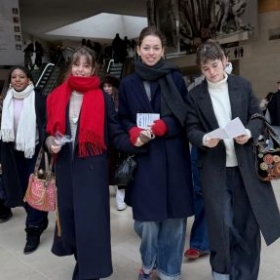
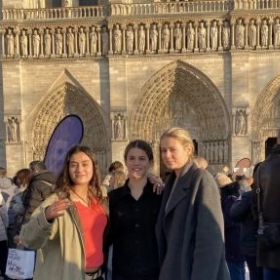
The wonderful History of Art trip to Paris from Friday 13 to Monday 16 of February, planned by Dr Wickson and accompanied by Mrs McMahon, offered a range of immersive experiences exploring artistic developments across different periods and styles. The visit provided the opportunity to engage directly with artworks we had studied, making the experience both eye-opening and exciting.
We arrived in Paris on Friday afternoon and settled into our hotel before heading out for the evening. We visited a fabulous French restaurant where many of us tried snails for the first time which was a cultural experience in itself!
Afterwards, we travelled to Montmartre, an area historically associated with artists and creativity. Additionally, visiting the café featured in the movie Amélie brought a sense of how art and culture remain part of everyday life in Paris, especially with the live music and lively atmosphere in which we were able to all take part in.
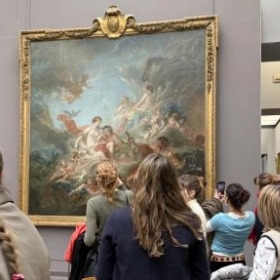
On Saturday, we began with a visit to the Musée d’Orsay, which provided an insight into the 19th-century artistic transformation. We viewed a variety of works that challenged traditional expectations of realism. Seeing these paintings in person made the immediacy of the brushwork and colour contrasts much more striking and it was great to see this in real life after having studied the various techniques.
In the afternoon, we visited the Musée de Cluny, in which medieval art offered a fascinating contrast, to works we had seen earlier in the day. We were able to see the preserved textiles and religious artefacts which highlighted how art functioned within spirituality and religion.
That evening, we all shared dinner before a drive through the city. This allowed us to observe Parisian architecture, including views of the Arc de Triomphe, Eiffel Tower and the Champs-Élysées.
On our final full day, we visited the Louvre Museum, where we encountered some of the most significant artworks in history. Seeing the Mona Lisa allowed for a deeper appreciation of its technique and historical significance, alongside masterpieces such as The Wedding Feast at Cana and works by other significant artists including Matisse.
In the afternoon, we visited the Musée Picasso, where the evolution of Pablo Picasso’s style demonstrated the experimentation and innovation of modern art. We were able to individually explore the exhibition and his artwork, which made the experience more intimate, enabling us to think critically which a key skill for us art-historians.
On our final morning, we explored Le Marais, enjoying the architecture and doing some last-minute shopping before returning to London.
Overall, the trip made art feel more immediate and meaningful, and it was such an enjoyable experience that all of us art historians greatly appreciated. Being able to bond with the year above and hear their respective opinions was inspiring and something that hope we are able to do in the future.
Capucine C, LVI, Head of Art Prefect